

Understanding Pet Allergies: Signs and Solutions for Every Animal


Understanding Pet Allergies: Signs and Solutions for Every Animal
If your pet has ever scratched persistently, licked their paws non-stop, or developed red, irritated skin, you may have wondered whether allergies are to blame. Pet allergies can be a frustrating challenge for families in Lexington and surrounding communities, affecting not just dogs and cats, but horses and other animals as well. At Green Tree Animal Hospital, located at 4371 Old Harrodsburg Rd Suite 140, Lexington, KY 40513, our team of veterinarians is dedicated to helping you recognize the signs of pet allergies and providing effective, compassionate solutions. In this guide, we’ll explain how to identify allergy symptoms in animals, explore what causes allergies in pets, discuss advanced diagnostic and treatment options, and share steps you can take at home to keep your pet comfortable. If you’re searching for comprehensive pet allergy testing in Lexington or simply need a “vet near me” you can trust, Green Tree Animal Hospital is here to support your pet’s wellbeing with both expertise and understanding.
Recognizing Allergy Symptoms in Animals: What Pet Owners Should Watch For
Many pet owners first notice allergies when their pet exhibits changes in comfort or behavior. Allergy symptoms in animals can look different depending on the species, age, and specific allergy trigger. In dogs and cats, common signs of pet allergies include frequent scratching, licking, or chewing at their skin, ears, or paws. You might also observe redness, hair loss, scabs, or watery eyes. In horses, allergy symptoms may appear as hives, patchy hair loss, excessive rubbing against fences or stalls, and respiratory concerns such as nasal discharge or coughing.
Some animals may develop chronic ear infections or recurrent skin infections as a result of underlying allergies. The discomfort can cause behavioral changes, making pets seem irritable, restless, or less interested in play. If you notice these signs in your pet, especially if symptoms worsen during certain seasons or after exposure to specific environments, it may be time to consider professional evaluation.
It’s important to remember that not all itching or skin issues are caused by allergies; parasites, infections, and other medical conditions can mimic allergy symptoms. That’s why a veterinary evaluation is essential for an accurate diagnosis. If you are concerned about allergy symptoms in your pet, scheduling a wellness examination is an excellent first step toward relief.
What Causes Pet Allergies? Common Triggers and Risk Factors
Understanding what causes allergies in pets can help you manage and prevent future flare-ups. Allergic reactions occur when your pet’s immune system mistakenly identifies harmless substances—such as pollen, dust mites, mold spores, or certain foods—as threats. This triggers a cascade of inflammatory responses, resulting in itching, redness, and other allergy symptoms.
Environmental allergens are particularly common in Lexington, where seasonal changes can influence pollen counts and mold levels. Pets who spend more time outdoors during the spring and fall may be at higher risk for developing symptoms. Other frequent triggers include flea bites, certain proteins in food, cleaning products, and even fabrics or bedding materials.
Genetics can also play a role in pet allergies; some breeds of dogs and cats are more prone to skin sensitivities and environmental allergies. Horses may develop allergies due to dust in hay or bedding, exposure to specific insects, or changes in pasture conditions.
It’s important to note that allergies can develop at any age and often worsen over time without proper management. If your pet has a history of allergy symptoms or if you notice patterns related to specific seasons or exposures, discussing these details with your veterinarian can be valuable in identifying the underlying cause.
Diagnostic Tools and Treatment Options for Pet Allergies in Lexington
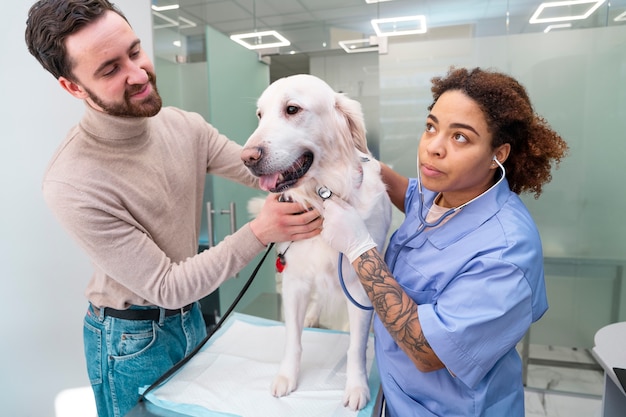
When you bring your pet to Green Tree Animal Hospital for allergy concerns, our veterinary professionals follow a thorough diagnostic approach to ensure we address the root of the problem. The process typically begins with a detailed history and physical examination, focusing on the duration, frequency, and severity of symptoms. Our team may recommend pet allergy testing to identify specific environmental or food triggers.
Diagnostic techniques often include skin scrapings, cytology, and, in some cases, blood work or elimination diets. For persistent or severe cases, advanced allergy testing can pinpoint the exact allergens responsible for your pet’s discomfort. This allows our veterinarians to develop a tailored treatment plan that meets the unique needs of your pet.
Treatment approaches for pet allergies in Lexington usually involve a combination of strategies. These may include prescription medications such as antihistamines, anti-inflammatories, or immune-modulating drugs, as well as topical therapies to soothe irritated skin. For food allergies, dietary trials using hypoallergenic diets are a key part of management.
Our team also offers pet dermatology services and advanced skin care options for animals with chronic or severe skin issues. In some cases, immunotherapy (allergy shots or oral drops) can help desensitize your pet to specific allergens over time, providing long-term relief. For horses, management may also involve changes to bedding, feed, or turnout routines to reduce exposure to allergens.
Throughout the treatment process, our veterinarians work closely with you to monitor progress and adjust strategies as needed. Our goal is always to improve your pet’s comfort and quality of life, while minimizing the risk of recurring allergy symptoms.
Home Care and Prevention: Keeping Allergies Under Control
While professional care is crucial, there are also steps you can take at home to reduce your pet’s exposure to allergens and support their skin health. Regular grooming and bathing with veterinary-approved shampoos can help remove pollen, dust, and other irritants from your pet’s coat. For dogs and cats, frequent washing of bedding, vacuuming carpets, and using air purifiers may lower indoor allergen levels.
If your pet is diagnosed with a food allergy, strictly following your veterinarian’s dietary recommendations is essential. Avoid giving table scraps or treats that might contain offending ingredients. For horses, providing dust-free hay, keeping stalls clean, and managing pasture turnout during high pollen seasons are practical strategies.
Flea prevention is also critically important, as flea bites are a major trigger for allergy symptoms in animals. Year-round flea control products recommended by your veterinarian can protect both your pet and your home environment.
Maintaining a strong partnership with your veterinary team ensures that your pet’s preventive care plan is up-to-date and tailored to their evolving needs. Preventive measures not only help control allergy symptoms but also support overall pet wellness. You can explore more about pet preventive care at Green Tree Animal Hospital to keep your pet healthy year-round.
When to See a Veterinarian for Allergy Symptoms
Some allergy symptoms in animals can be managed with simple adjustments at home, but certain situations require prompt veterinary attention. If your pet develops open sores, persistent ear infections, intense scratching, or sudden swelling, these signs may indicate a more serious condition or secondary infection. Rapid changes in breathing, lethargy, or loss of appetite should also be considered urgent and warrant immediate evaluation.
Recurring or worsening symptoms that do not respond to basic home care are another indication that professional assessment is needed. Early intervention can prevent chronic discomfort, reduce the risk of complications, and ensure your pet receives the most effective treatments available.
Scheduling a pet wellness exam with our veterinarians allows us to assess your pet’s overall health, rule out other causes of skin or respiratory problems, and provide personalized recommendations for allergy management. Our team welcomes new and existing clients from Lexington and surrounding communities, offering comprehensive veterinary services for every stage of your pet’s life.
Supporting Your Pet’s Comfort: Schedule an Allergy Evaluation Today
Pet allergies can be challenging, but with the right support and treatment, your pet can enjoy a happier, more comfortable life. Recognizing the signs of allergy symptoms in animals is the first step in finding relief. At Green Tree Animal Hospital, our team of veterinarians is committed to providing thorough diagnostic evaluations, personalized treatment plans, and ongoing support for pets and their families in Lexington and nearby areas.
If you’re searching for a “vet near me” who understands the complexities of pet allergies in Lexington, or if you’re ready to explore effective solutions for your pet’s itching, discomfort, or skin issues, we invite you to schedule an appointment with us today. Our veterinarians are here to help with pet allergy testing, dermatology care, and preventive wellness services tailored to your pet’s unique needs.
To get started, call us at (859) 223-2221 or visit us at 4371 Old Harrodsburg Rd Suite 140, Lexington, KY 40513. You can also learn more about our comprehensive veterinary services on our website. Our veterinary professionals look forward to helping your pet find lasting relief from allergies and supporting your family with quality veterinary services near me.
This blog is intended for informational purposes only and does not replace professional veterinary advice. If you have concerns about your pet’s health, please schedule an appointment with your veterinarian for an accurate diagnosis and tailored treatment plan.


_corporate_logo-1920w.webp)


